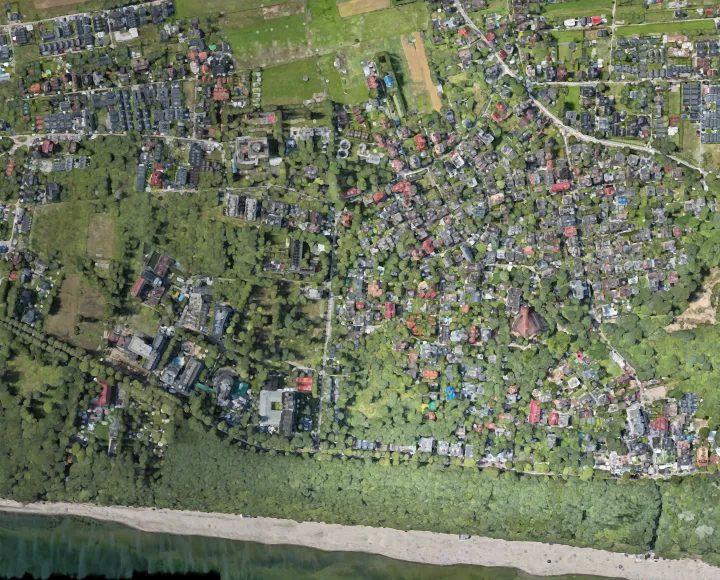
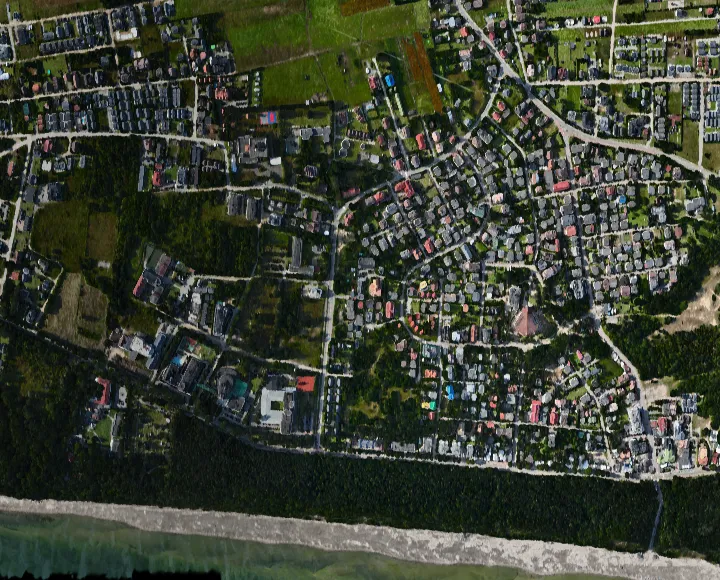
We propose Gaussian point splatting, a stochastic method for rendering massive 3DGS scenes. By sampling pixel-sized opaque points from Gaussians in view, splatting them via 64-bit atomics, and applying stochastic transparency, we eliminate the need for both sorting and tile-based rendering. Our approach distributes workload evenly across GPU threads, enabling the real-time display of hundreds of millions of Gaussians efficiently.
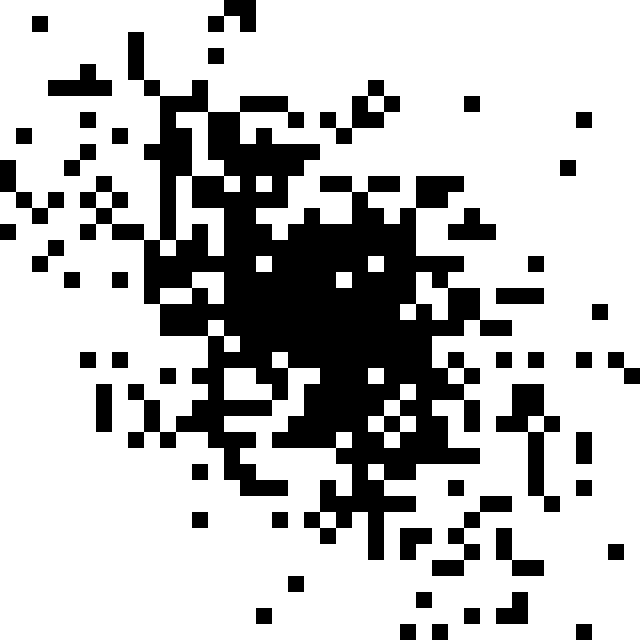
Our method samples pixel-sized opaque points from Gaussians in view independently and identically, and splats them via 64-bit atomics. This allows us to eliminate the need for both sorting and tile-based rendering, which are bottlenecks in traditional 3DGS pipelines. With enough samples per pixel, this stochastic approach converges to the same result as deterministic methods.
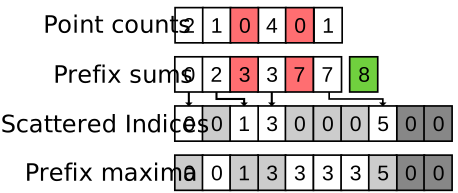
Each frame, we computes a number of points to splat per Gaussian, depending on its opacity and size in view. This number can range from a single point to millions of points per Gaussian. By handling this naively, we would end up with a highly uneven workload unsuited for modern GPU architectures. Instead, we use parallel programming primitives to map the list of point counts per Gaussian to a list of Gaussian ids to splat per thread. This way, we obtain a perfect workload distribution, where each thread can read this list to know exactly for which Gaussian to splat a point.
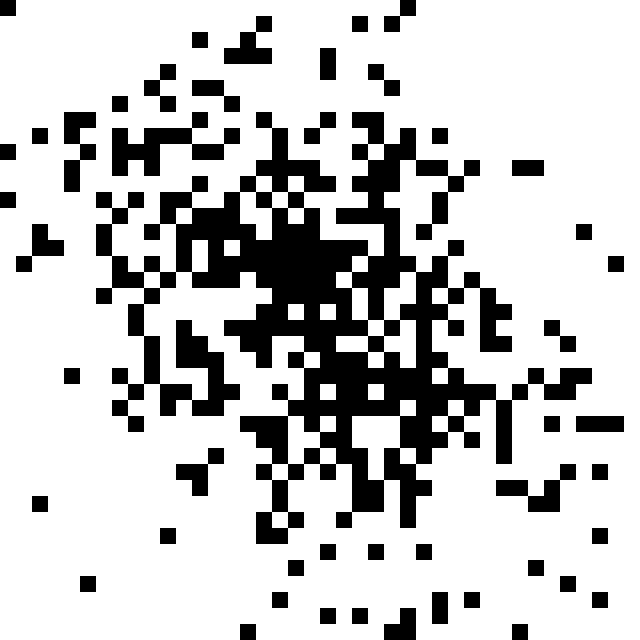
Perhaps surprisingly, splatting points sampled from Gaussian distributions directly does not produce the correct result. As points are sampled identically and independently, they may collide on the same pixel, leading to an underestimation of the true opacity. We derive a formulation for the desired effective opacity that ensures that the probability of splatting no points to a pixel is exactly 1 minus the true opacity of the Gaussian at that pixel.
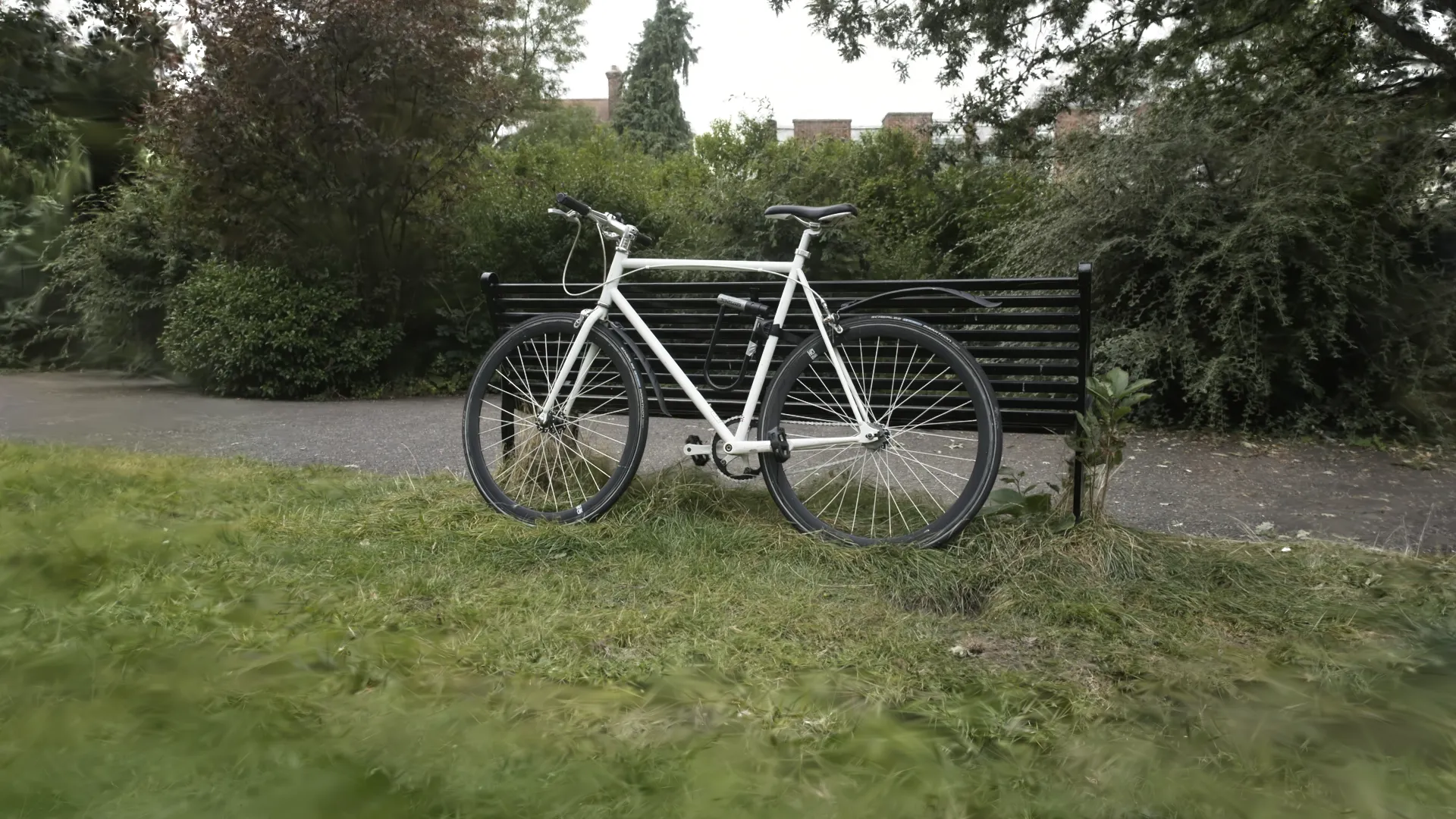
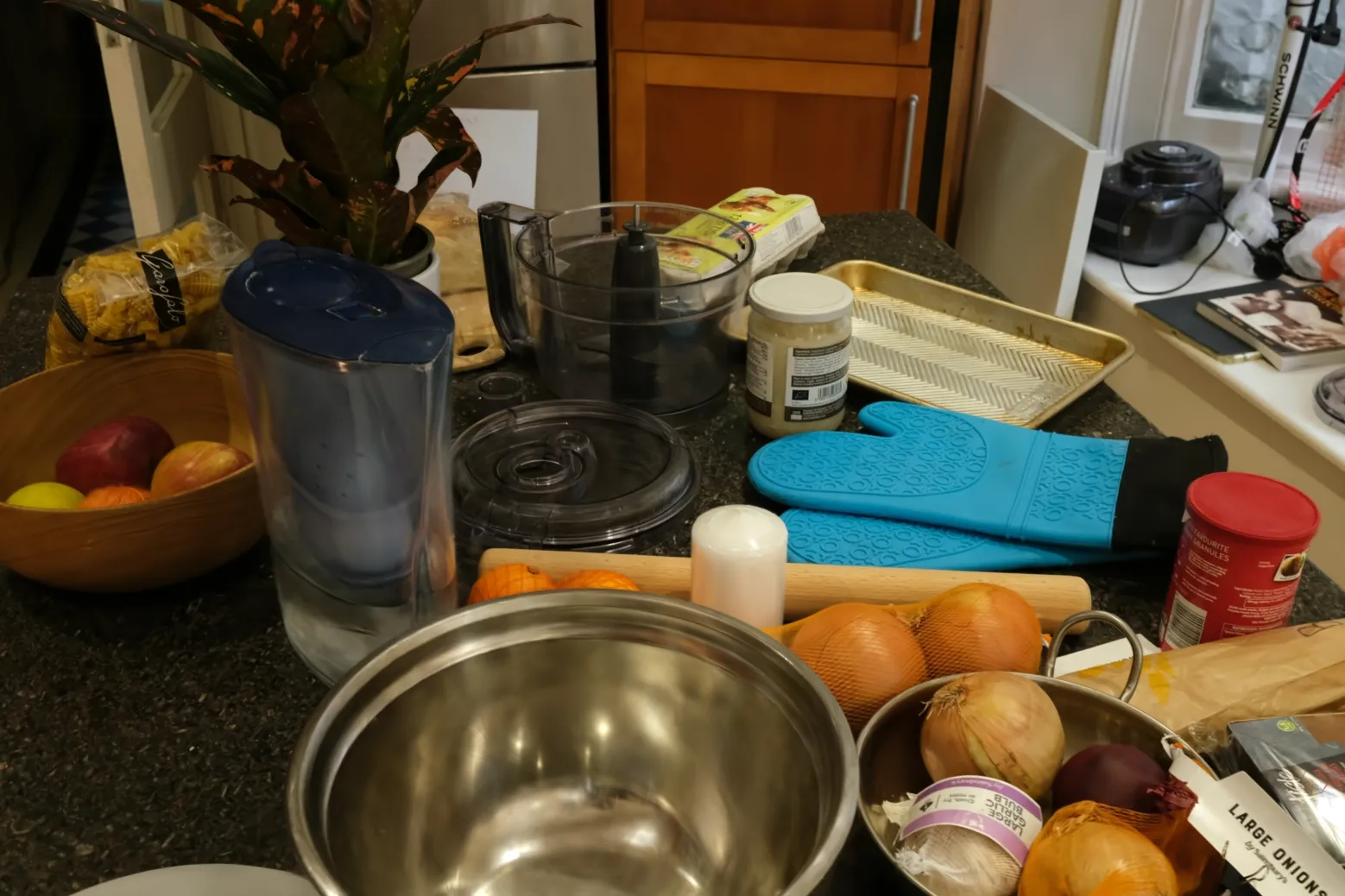
Converged quality. Our method produces faithful renders compared to standard 3DGS. The only differences after convergence are due to slight differences in aliasing characteristics.
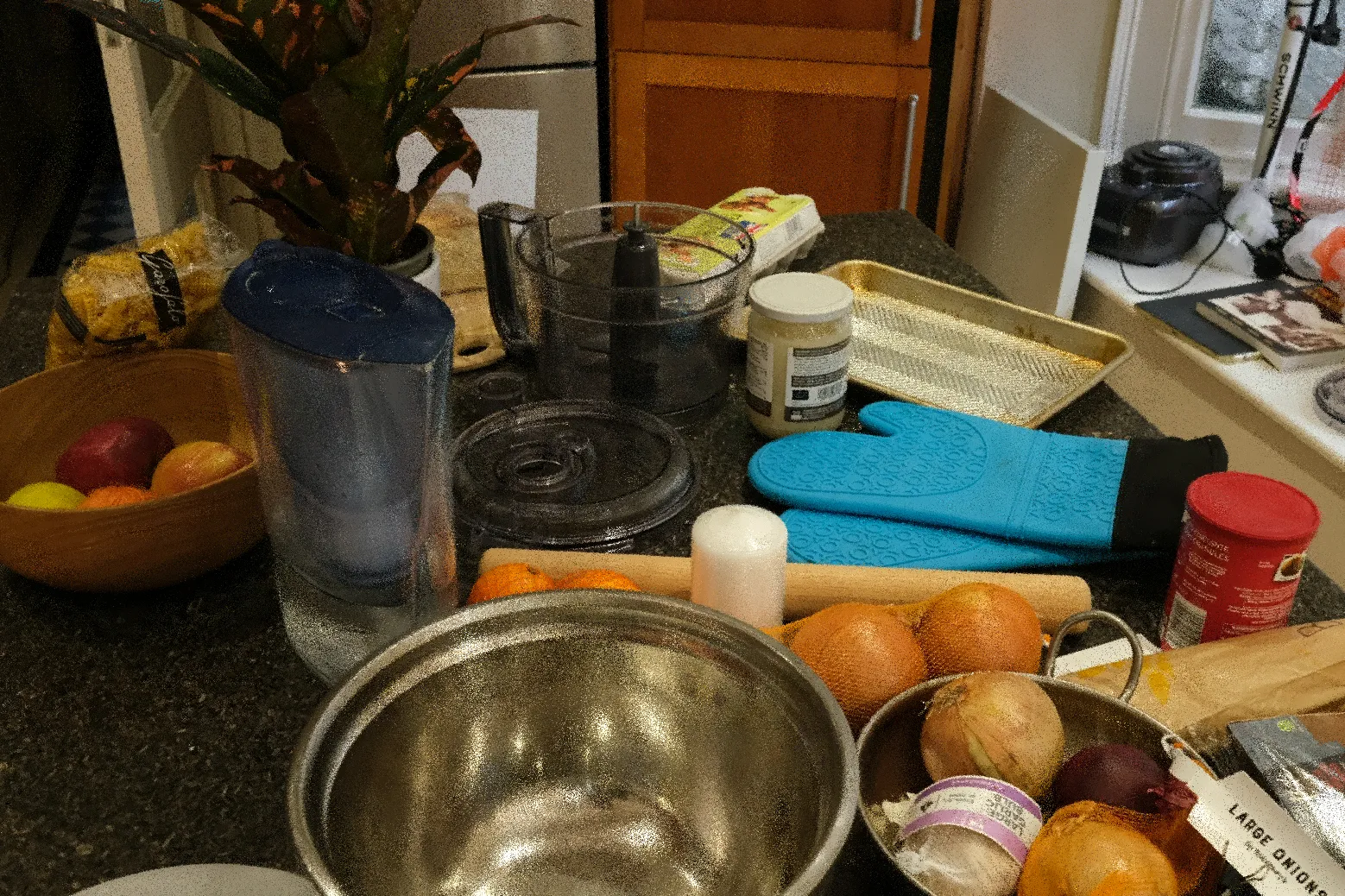
Low sample count (4 spp). Our method produces a faithful approximation of 3DGS even at low sample counts, enabling real-time rendering. The noise introduced by our method is unbiased, and can be mitigated with temporal accumulation and/or denoising.
vs. SplatShop. SplatShop culls small splats for both speed and memory usage This can significantly reduce visual quality. Conversely, our stochastic approach is able to render all Gaussians within the frustum, well beyond what is possible with traditional tile-based rasterization methods.
If you find this work useful, please cite:
@article{Rijsdijk2026GaussianPointSplatting,
title = {Gaussian Point Splatting},
author = {Rijsdijk, Joris and Peters, Christoph and Marroquim, Ricardo and Weinnman, Michael},
journal = {ACM Trans. Graph.},
volume = {45},
number = {4},
publisher = {Association for Computing Machinery},
year = {2026},
doi = {10.1145/3811272}
}
This work was supported by the Dutch Research Council (NWO) under the project VR Retrofit-4U (Grant ID: 10.61686/EIHMV70145).
The large-scale scenes used in our teaser and evaluations were provided by Andrii Shramko (Teleportour).
We also thank the authors of prior work for the remaining scenes: Tanks and Temples, Mip-NeRF, and Deep Blending.